

What Happens When You Can’t Speak? A Look Inside a Trauma Bay
The sirens are screaming. The ambulance is racing through traffic. Inside, paramedics are working on an unresponsive patient. No name. No ID. No clue what happened.
This is how it begins for thousands of emergency calls every day. What happens next—in the ambulance and inside the trauma bay—is a race against time. Every decision matters. Every second counts.
Here is a step-by-step look at what happens when you cannot speak for yourself—and why your medical ID is their first clue.
No. 1: The Arrival
The ambulance pulls into the emergency bay. Doors fly open. The gurney rolls out. The trauma team is already waiting.
In the first 30 seconds, paramedics give a handoff report:
Age, sex, and approximate weight
What happened (fall, car accident, collapse)
Vital signs (heart rate, blood pressure, oxygen level)
Any treatments given so far
The patient is unresponsive. No wallet. No phone. No ID. The team has no medical history. No medications. No allergies.
The search begins.
No. 2: The Primary Survey (ABCs)
The trauma team moves fast. They follow the ABCDE protocol:
Airway. Is the airway open? If not, they intubate—inserting a tube into the trachea to help the patient breathe.
Breathing. Are the lungs expanding? Is oxygen getting in? They listen with a stethoscope. They check the oxygen monitor.
Circulation. Is there a pulse? Is the patient bleeding internally? They start IV lines. They draw blood for testing.
Disability. What is the patient’s level of consciousness? They check pupil response and movement.
Exposure. The patient is undressed completely to check for injuries. Hidden wounds. Bruising. Bleeding.
Everything happens in minutes. Sometimes seconds.
No. 3: The Search for Clues
With the patient stable enough to continue, the team looks for answers.
The medical team searches for:
ID. Wallet. Phone. Medical bracelet.
Medications. Prescription bottles. Pills in pockets.
Tattoos. Medical tattoos sometimes list conditions like diabetes or allergies.
Medical alert tags. Bracelets, necklaces, or watch sleeves.
This is where your LIFE ID becomes the most important thing on your body.
No. 4: The First Question – What Happened?
If a medical ID is found, the trauma team scans it immediately. Seconds matter. Every second without information is a second of guessing.
What they need to know:
Medical conditions. Heart disease? Diabetes? Epilepsy? Seizure disorder? Stroke history?
Medications. What do you take? When did you last take it? Blood thinners? Insulin? Blood pressure meds?
Allergies. Drug allergies are critical. A penicillin allergy can kill.
Emergency contacts. Who needs to be notified? Who can answer questions?
Without this information, the team works blind. They treat symptoms, not causes.
No. 5: What Happens When There Is No ID
If no medical ID is found, the team does their best with what they have. But the gaps are dangerous.
They guess your age. They estimate your weight. They treat based on averages.
They might give you medications that interact with drugs you take. They might miss a condition that explains your symptoms. They might not know about an allergy until it is too late.
Every minute without information increases the risk of error.
No. 6: The First 60 Minutes – The Golden Hour
In trauma medicine, the first 60 minutes are called the “golden hour.” This is the critical window when prompt treatment can save a life and prevent long-term damage.
In that hour, decisions are made:
Which tests to run
What medications to give
Whether to operate
What blood type to transfuse
If your medical ID is found, those decisions are informed. If not, they are guesses. A LIFE ID in this situation is not just convenient—it is life-saving.
No. 7: The Aftermath – What Happens Next
If the patient survives, they are transferred to the ICU or a regular hospital floor. If there was no ID, the hospital has to track down identity and family through other means:
Police check missing persons reports
They search social media for photos
They call phone numbers from the patient’s phone—if it was found
Every step takes time. Hours become days. Family members may not be notified until long after the emergency is over.
The LIFE ID Solution
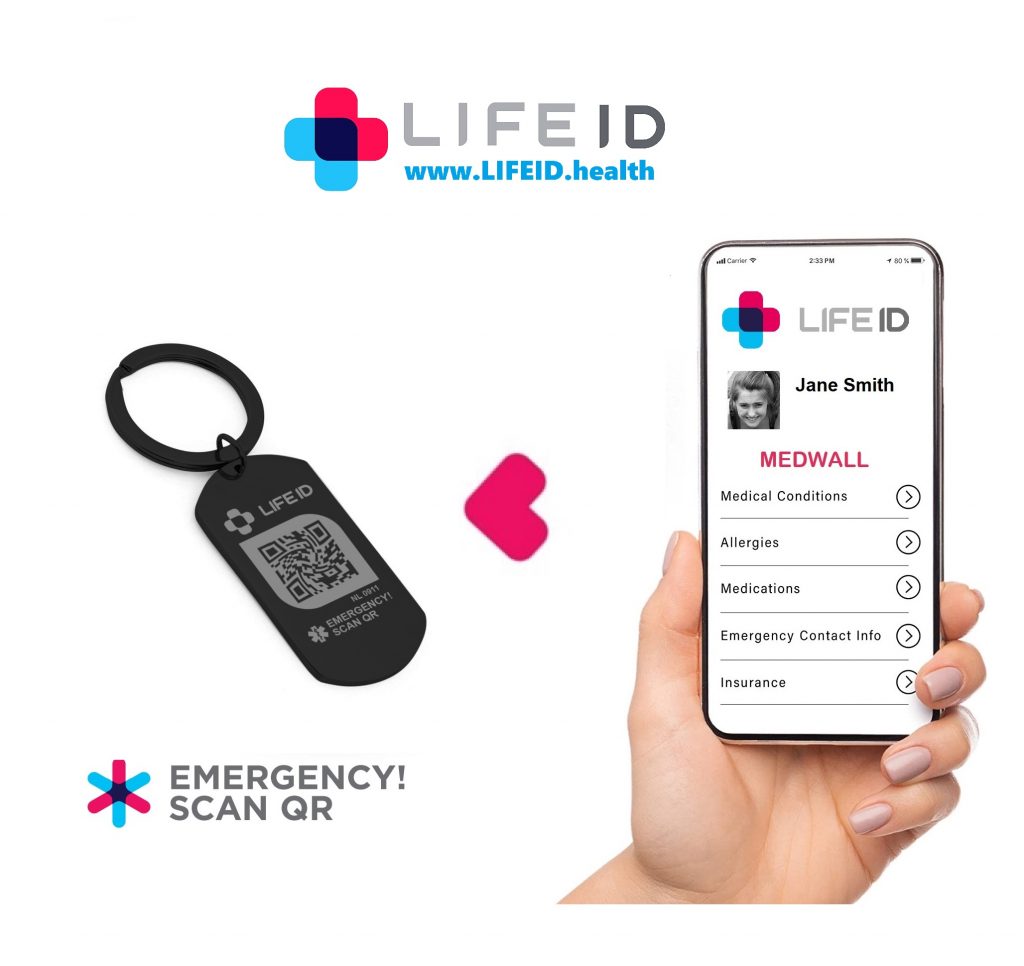
LIFE ID provides a modern answer to the limitations of traditional bracelets. A durable QR code on a wristband or watch sleeve links to a secure medical profile containing everything a trauma team needs: your full medical history, current medications with dosages, allergies, emergency contacts, and advance directives. When your medication changes, you update online—no new ID needed. First responders scan and get your full story in seconds. No guesswork. No delays.
Traditional medical alert bracelets have saved countless lives, but they are not perfect. Limited space, permanent engraving, and the inability to update information create real risks. LIFE ID gives you unlimited information, easy updates, and peace of mind. Do not let an outdated medical ID leave first responders guessing.
Get your LIFE ID today.
Use Coupon Code 10BUCKSOFF And Get $10 Off Any LIFE ID Today!
#TraumaBay #EmergencyMedicine #Unresponsive #LifeID #QRMedicalID #MedicalEmergency #PatientSafety