Understanding Parasitic Infections: Types, Symptoms, and Treatments
Parasites are organisms that live in or on a host organism and depend on it for survival. While they rarely kill their host (as that would eliminate their home and food source), they can spread a wide range of diseases, some of which can be serious or even fatal.
Common parasites that affect humans include ticks, lice, and hookworms. The symptoms of an infection can vary dramatically depending on the type of parasite involved.
Types of Human Parasites
Parasites are typically categorized into three main groups:
Protozoa: These are single-celled organisms that can multiply inside the human body. They are often spread through contaminated water or food, person-to-person contact, or insect bites. Examples include Plasmodium (which causes malaria) and Cryptosporidium (which causes diarrheal illness).
Helminths: Often referred to as parasitic worms, these larger, multi-cellular organisms typically live in the digestive tract. Unlike protozoa, they cannot multiply inside the human body. They eventually pass through a person’s stool. Examples include roundworms (Ascaris) and hookworms.
Ectoparasites: These are small organisms that live on the outside of the body, such as on the skin. This category includes ticks, fleas, and lice.
Symptoms of a Parasitic Infection
The symptoms of a parasitic infection are highly variable and can often mimic other illnesses like pneumonia or food poisoning. Possible signs to watch for include:
Skin reactions like bumps or rashes
Unexplained weight loss or an increased appetite
Abdominal pain, diarrhea, or vomiting
Sleep disturbances and general aches
Anemia (iron deficiency) and feelings of weakness
Allergies and a general feeling of being unwell
Fever
It’s important to note that many parasitic infections cause no symptoms at all for long periods, but the parasite can still be transmitted to others.
How Are Parasitic Infections Diagnosed?
Diagnosis depends on a person’s symptoms, travel history, and potential exposures. Doctors use several methods to confirm an infection:
Fecal Exam: Multiple stool samples may be examined for the presence of parasites or their eggs.
Endoscopy/Colonoscopy: A thin tube may be used to look inside the intestines if stool tests are inconclusive.
Blood Tests: These can detect specific antibodies or the presence of parasites in the bloodstream.
Imaging Tests: X-rays, MRIs, or CT scans can help identify lesions or damage in organs caused by parasites.
Common Treatments for Parasites
Treatment is tailored to the specific type of parasite. A doctor will prescribe medication to kill the parasite and may also provide treatment to manage symptoms like diarrhea.
Common medications include:
Metronidazole (Flagyl): Treats infections in the gut and reproductive system, including giardiasis.
Ivermectin (Stromectol): Used for infections of the intestinal tract, skin (like scabies), and eyes.
Praziquantel (Biltricide): Effectively treats tapeworm infections.
Nitazoxanide (Alinia): Treats diarrhea caused by protozoa like Cryptosporidium and Giardia.
Chloroquine: A primary drug used to treat malaria.
How to Prevent Parasitic Infections
Prevention is often the best medicine. You can reduce your risk by:
Researching which parasites are common in your area or travel destinations.
Using insect repellent and wearing protective clothing in areas with mosquitoes or ticks.
Eating only well-cooked meat and fish.
Drinking sealed, bottled water when traveling to regions with uncertain water safety.
Being cautious when swimming in freshwater lakes or rivers.
Using mosquito nets in high-risk areas and eliminating stagnant water where mosquitoes breed.
Practicing safe sex.
Summary
While parasites themselves are not a disease, they are effective vectors for illnesses that can range from mild to severe. The good news is that most parasitic infections are treatable with modern medicine and highly preventable with careful precautions. If you experience symptoms like a persistent rash, abdominal pain, or diarrhea—especially after travel—it’s important to speak with a doctor for proper testing and a targeted treatment plan.
Conclusion
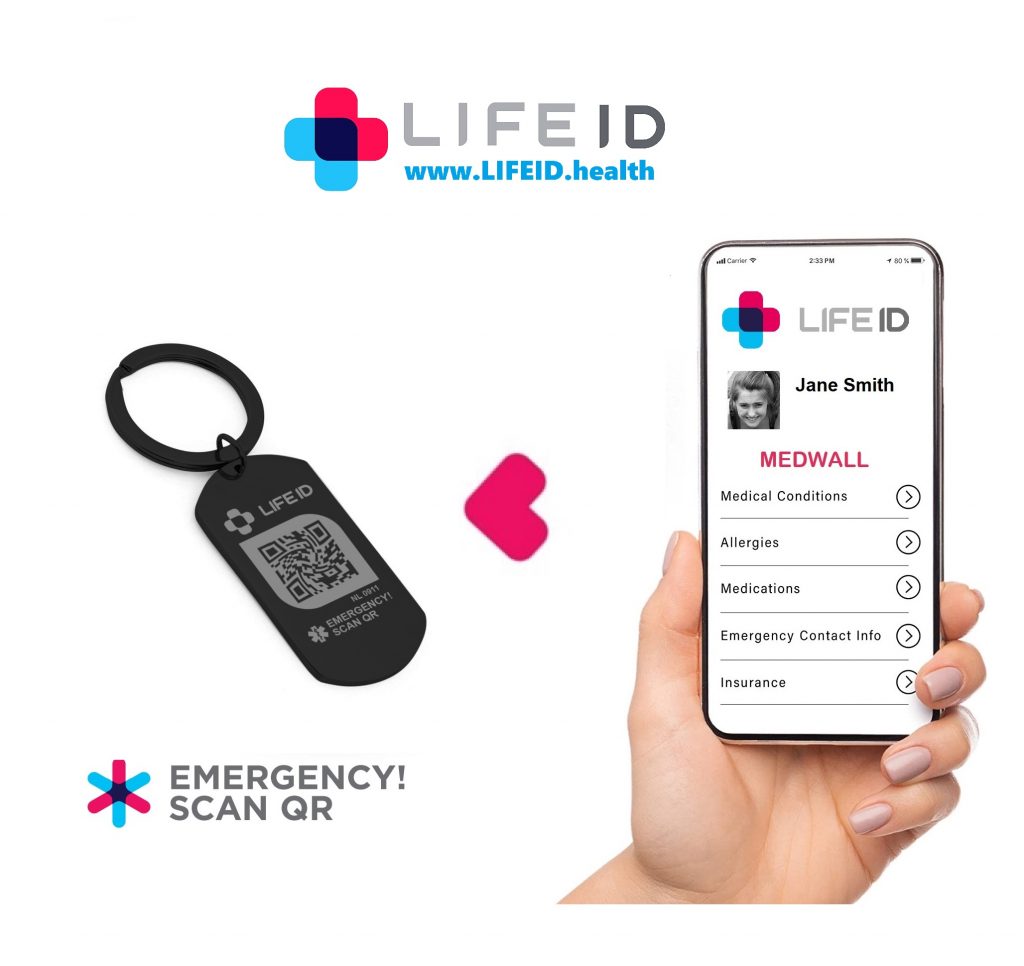
We hope you found this article useful. At LIFEID, our priority is your safety. That’s why we recommend our medical ID bracelets, Apple watch sleeves, or watch accessories, which can communicate vital information on your behalf during an emergency. Our medical IDs also assist in managing your medications and notifying your emergency contacts when needed. Discover more below:Use Coupon Code 10BUCKSOFF And Get $10 Off Any LIFE ID Today!