

The Summer Medication Warning Your Doctor Forgot to Mention
Summer is here. The sun is shining, the temperatures are rising, and you are probably thinking about sunscreen, hydration, and staying cool. But there is something else you should be thinking about: your medications.
Your doctor probably told you how to take your prescriptions. They probably told you about side effects and interactions. But they may have forgotten to mention one critical thing—how summer heat, humidity, and sun exposure can affect your medications and your body.
Here is what you need to know.
How Heat and Humidity Destroy Your Medications
Most people store their medications in the bathroom medicine cabinet. It is convenient. It is where they have always gone. But that is exactly where your medications should not be.
Heat and humidity can negatively affect a medicine’s potency and effectiveness, meaning they break down sooner than their expiration date. Many medications can lose their efficacy and be damaged when stored in areas with extremely hot temperatures, high humidity, or when exposed to excessive light.
Most medications should be stored at controlled room temperature between 68 to 77 degrees Fahrenheit. When storage locations exceed 86 degrees, patients can run into trouble with medication safety and effectiveness.
What happens when medications get too hot?
Insulin becomes less effective in extreme heat
EpiPens can malfunction and deliver less epinephrine
Inhalers can burst when stored in ambient heat
Liquid or injectable medications can dry up or evaporate
Capsules with exterior coatings can break down, changing how medicine is absorbed or causing it to release too quickly
Where NOT to store your medications:
Bathrooms (moisture in the air)
Kitchen cabinets near the oven or sink
Car trunks or glove compartments
Direct sunlight
Where TO store them:
A cool, dry place like a bedside table
A kitchen cabinet away from heat and moisture
Insulated cooler bags when traveling
Medications That Make You More Sensitive to Heat
Your body cools itself by sweating and circulating blood to the skin. But certain medications interfere with these processes.
Some medications impair the body’s ability to regulate its temperature, increasing the risk of heat exhaustion and heat stroke. Medications can contribute to heat sensitivity by reducing thirst sensation, interfering with central thermoregulation, impairing sweating, or reducing the body’s ability to dissipate heat.
Blood pressure and heart medications are among the biggest culprits. Diuretics (water pills) increase urine production, leading to fluid loss, decreased sweat production, and potentially dehydration. Beta-blockers slow heart rate, limiting the body’s ability to circulate blood efficiently for cooling. ACE inhibitors and ARBs can reduce thirst sensation. Any blood pressure medication can pose a risk in hot weather because becoming dehydrated from sweating will cause blood pressure to drop.
Antidepressants and antipsychotics can affect the hypothalamus, which regulates body temperature, and can impair sweating. Lithium, a mood stabilizer, can lead to dehydration-induced drug toxicity.
Other medications that increase heat sensitivity:
Antihistamines – reduce sweating
GLP-1 drugs (Ozempic, Wegovy) – suppress thirst, leading to dehydration
Anticholinergics – block signals to sweat glands
Stimulants – increase metabolic rate, impairing cooling
Medications That Make You More Sensitive to the Sun
Overheating is not the only concern. Some medications can also make your skin more sensitive to the sun, increasing the risk of severe sunburn and skin damage. This reaction is called photosensitivity.
Photosensitivity is different from a typical sunburn. It can cause an itchy, painful, or swollen rash on skin exposed to sunlight. Reactions may develop within a few hours of exposure or up to several days later.
Antibiotics are a major category. Tetracyclines (doxycycline), fluoroquinolones (ciprofloxacin), and sulfamethoxazole-trimethoprim (Bactrim) can all increase sun sensitivity.
Other medications that cause sun sensitivity:
Diuretics like hydrochlorothiazide
NSAIDs like ibuprofen and naproxen
Cholesterol medications like simvastatin and atorvastatin
Acne medications like tretinoin and isotretinoin
Birth control pills
Antifungals like flucytosine and voriconazole
The Dehydration Danger
When it is hot, you naturally lose more water through sweat. But certain medications intensify this fluid loss.
Diuretics, commonly prescribed for high blood pressure and heart failure, help your body eliminate excess fluid. In hot weather, this can increase your risk of dehydration and electrolyte imbalance. Dehydration may also affect medication levels in your body, increasing the risk of side effects or reducing the effectiveness of medications used to treat heart conditions, seizures, and psychiatric disorders.
Even mild dehydration can impair your body’s ability to clear medication, increasing your risk of drug toxicity.
What You Can Do
No. 1: Store medications properly. Keep them in a cool, dry place away from sunlight, moisture, and heat. Never leave them in a parked car.
No. 2: Stay hydrated. Drink plenty of fluids. Carry a water bottle and refill it throughout the day. Pay attention to signs of dehydration and overheating.
No. 3: Protect your skin. Wear protective clothing, hats, and sunglasses. Use broad-spectrum sunscreen with SPF 30 or higher. Stay indoors during peak sun hours (10 a.m. to 4 p.m.).
No. 4: Know the symptoms of heat-related illness. Watch for muscle cramping, heavy sweating, dizziness, headache, weakness, and nausea. Heat exhaustion can lead to heatstroke, a life-threatening condition.
No. 5: Never stop or change your medications without talking to your doctor.
No. 6: Travel smart. Keep medications in your carry-on bag, not checked luggage. Use insulated cooler bags for temperature-sensitive medications.
The LIFE ID Solution
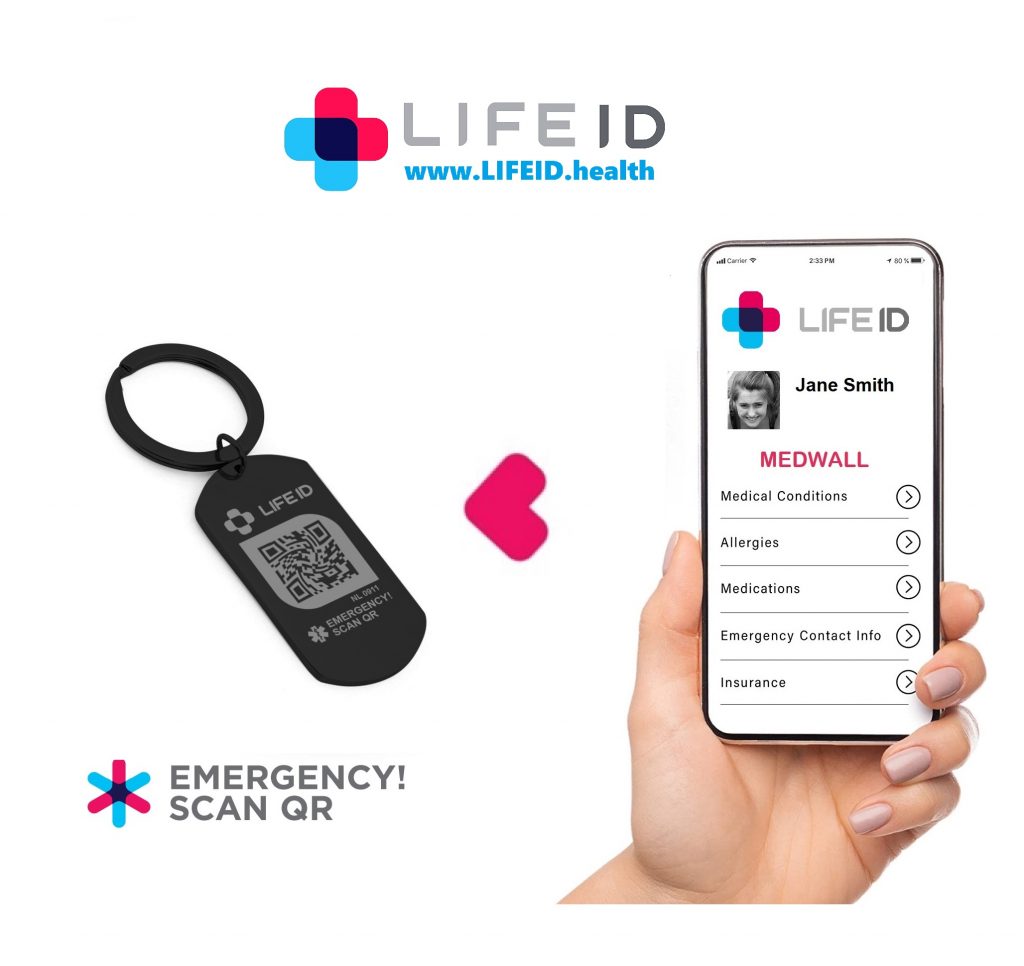
LIFE ID provides a modern answer to the limitations of traditional medical IDs. A durable QR code on a wristband or watch sleeve links to a secure medical profile containing everything a paramedic needs: your full medical history, current medications with dosages, allergies, emergency contacts, and advance directives. When your medication changes, you update online—no new ID needed. First responders scan and get your full story in seconds. No guesswork. No delays.
Traditional medical alert bracelets have saved countless lives, but they are not perfect. Limited space, permanent engraving, and the inability to update information create real risks. LIFE ID gives you unlimited information, easy updates, and peace of mind. Do not let an outdated medical ID leave first responders guessing.
Get your LIFE ID today.
Use Coupon Code 10BUCKSOFF And Get $10 Off Any LIFE ID Today!
#SummerMedication #HeatSafety #MedicationSafety #LifeID #QRMedicalID #SummerHealth