Feeling Drained? A Guide to Coping with Emotional Exhaustion
Emotional exhaustion can arise when someone experiences a period of excessive stress in their work or personal life. Doctors may recommend lifestyle changes, therapy, and medication for managing stress and exhaustion.
When people experience emotional exhaustion, it can make them feel emotionally drained, overwhelmed, and fatigued. These feelings tend to build up over a long period, though people may not notice the early warning signs. This can have significant impacts on a person’s everyday life, relationships, and behavior.
What Causes Emotional Exhaustion?
Prolonged or extreme stress can trigger emotional exhaustion. Examples include:
Going through a significant life change, such as divorce or death of a loved one
Being a caregiver
Experiencing financial stress
Having a baby or raising children
Living with a chronic medical condition
Working long hours or in a high-pressure environment
Typically, emotional exhaustion occurs if someone feels overwhelmed by factors in their life. They may believe they have a lack of control or may not be correctly balancing self-care with life’s demands.
Symptoms to Watch For
1. Changing mood. People may notice they are feeling more cynical or pessimistic than usual. They may lose motivation and eventually feel trapped or disconnected. This can lead to anger, anxiety, depression, hopelessness, and lack of motivation.
2. Thinking difficulties. Those with emotional exhaustion may experience “brain fog,” including confusion, difficulty concentrating, forgetfulness, and memory loss.
3. Sleeping problems. It can be challenging to maintain a regular sleeping pattern. People may have difficulty falling asleep or staying asleep, or they may oversleep.
4. Physical changes. Emotional issues can manifest physically through changes in appetite, digestive problems, headaches, heart palpitations, and weight changes.
5. Effects on work and relationships. Symptoms can lead to social withdrawal, poor work performance, missed deadlines, low self-esteem, and increased absences from work.
Who Is at Risk?
Anyone can experience emotional exhaustion, but some people are more at risk, including those with demanding jobs (police officers, nurses, social workers, teachers), perfectionists, people who feel lonely, and those who do not prioritize self-care (poor sleep, diet, or exercise).
Treatment and Tips for Recovery
Reduce stress. Take on fewer tasks, delegate to others, and ask for help when needed.
Make healthful lifestyle choices. Eat a balanced diet, limit alcohol, avoid tobacco, exercise for 30 minutes most days, and get 7–9 hours of sleep.
Maintain a good work-life balance. Take scheduled breaks, plan vacations, and make time for things you enjoy.
Practice mindfulness. Regular mindfulness practice can reduce emotional exhaustion and improve job satisfaction.
Connect with others. Meet up with friends, join a club or walking group, and reach out to family.
Change your attitude. Focus on what is going right, replace negative thoughts with realistic ones, and avoid comparing yourself to others.
See a therapist or doctor. Therapy can help work through stress and anxiety. A doctor may recommend medication for depression or anxiety if needed.
Prevention
Many of the same treatments can help prevent emotional exhaustion: reducing stressors, engaging in enjoyable activities, eating well, exercising, getting enough sleep, connecting with others, and seeking professional help at the onset of anxiety or mood changes.
Outlook
Emotional exhaustion can have wide-ranging effects on physical and mental health, careers, and relationships. But looking out for the symptoms and making lifestyle changes can help people recover and feel better.
The Importance of Life ID for Emotional Exhaustion
For individuals experiencing emotional exhaustion, carrying a Life ID is an important safety measure. Emotional exhaustion often coexists with anxiety, depression, and other mental health conditions. It can also lead to difficulty concentrating, memory lapses, and physical symptoms like heart palpitations. If you experience a medical emergency or become incapacitated due to stress-related symptoms, first responders need to know your full health picture—including any medications you take for anxiety, depression, or sleep.
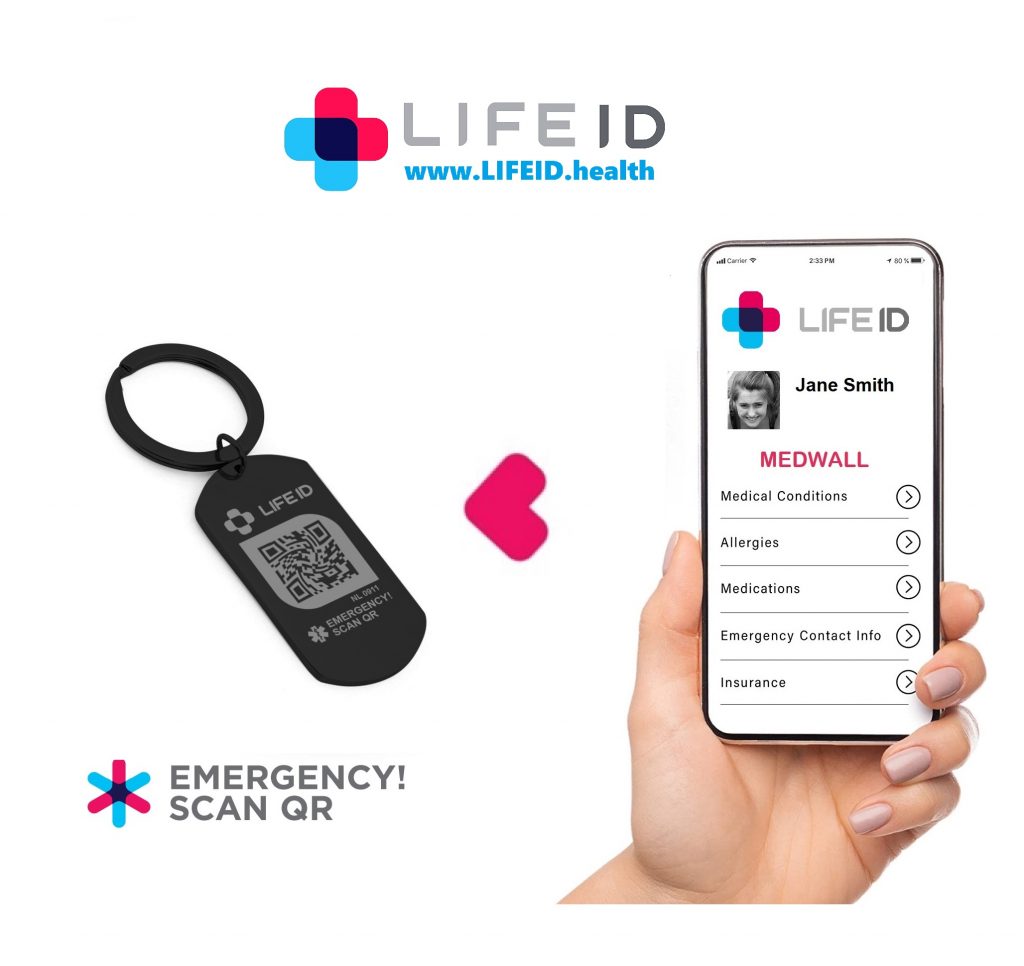
Life ID provides a simple, reliable solution. Unlike traditional engraved jewelry with limited space, Life ID uses a durable QR code that first responders can scan instantly. This code links to a secure, detailed medical profile containing your conditions, medications, allergies, and emergency contacts. Best of all, you can update your profile anytime online. If your treatment changes or you start a new medication, there is no need to buy a new ID. Just log in and update. Life ID ensures your emergency information is always accurate and up to date.
Use Coupon Code 10BUCKSOFF And Get $10 Off Any LIFE ID Today!